
Artist Biography
Jessica DeMarco is a career changer currently completing her final year in the Master of Interior Architecture program at Endicott College. She previously earned her Bachelor’s degree in Business Administration, with a focus in Marketing and Management, from the University of New Hampshire. Her professional background spans more than a decade in the hospitality and restaurant industries, where she developed expertise in operations, customer experience, leadership, and team management.
Through years of working in restaurants, Jess gained a firsthand understanding of how thoughtfully designed spaces can shape mood, behavior, and human connection. She became increasingly interested in how atmosphere and layout influence the way people gather, interact, and feel within a space. This inspired her to pursue interior architecture and merge her business knowledge, industry experience, and passion for design.
Jess is especially drawn to hospitality design and the creation of spaces that foster belonging, comfort, and well-being. Her graduate work explores how restaurants and communal environments can serve as places of connection in an increasingly disconnected world. She hopes to continue this work after graduation by designing meaningful spaces that enrich daily life and strengthen community.
Thesis Abstract
This thesis explores how interior design can reimagine restaurants as spaces that combat loneliness and foster meaningful human connection. Loneliness has become a defining challenge of contemporary life, particularly among younger generations who report feeling disconnected despite living in a digitally connected world. This growing isolation has had significant impacts on mental health and well-being.
Restaurants, once central places of community and culture, now stand at a crossroads shaped by COVID-19, delivery services, and shifting dining habits. As convenience and digital interaction increasingly replace shared in-person experiences, the restaurant has the potential to once again serve as a catalyst for connection.
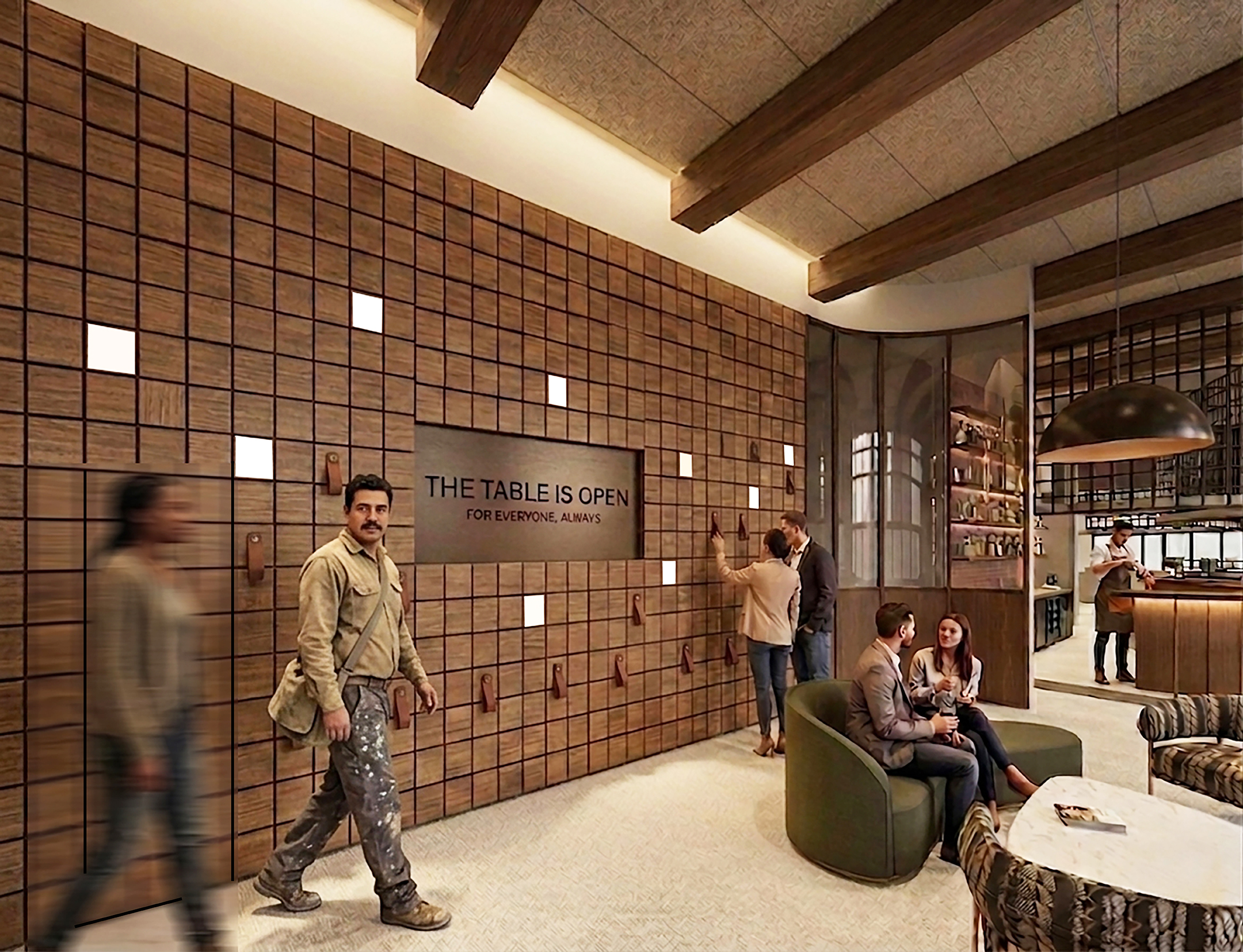
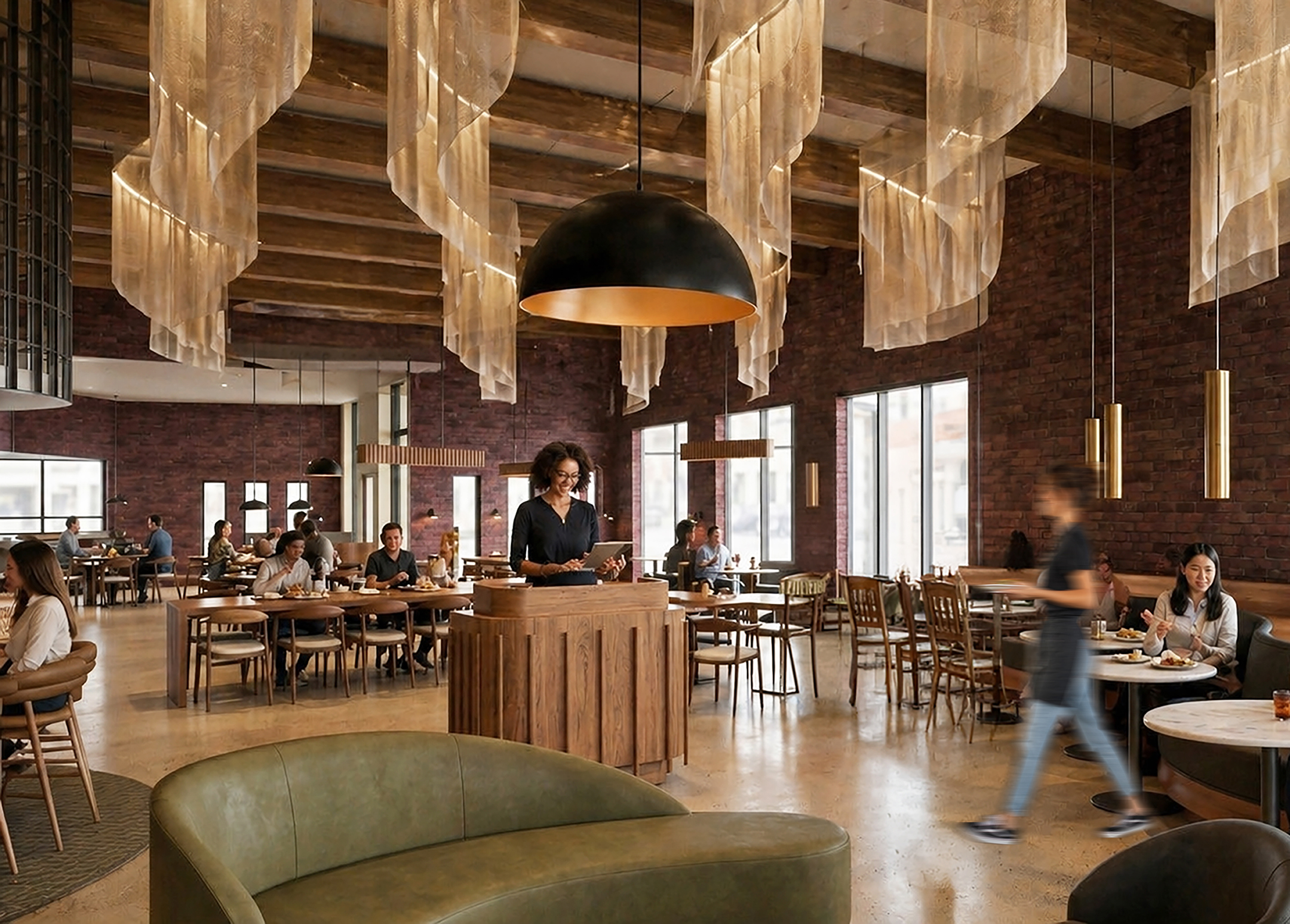
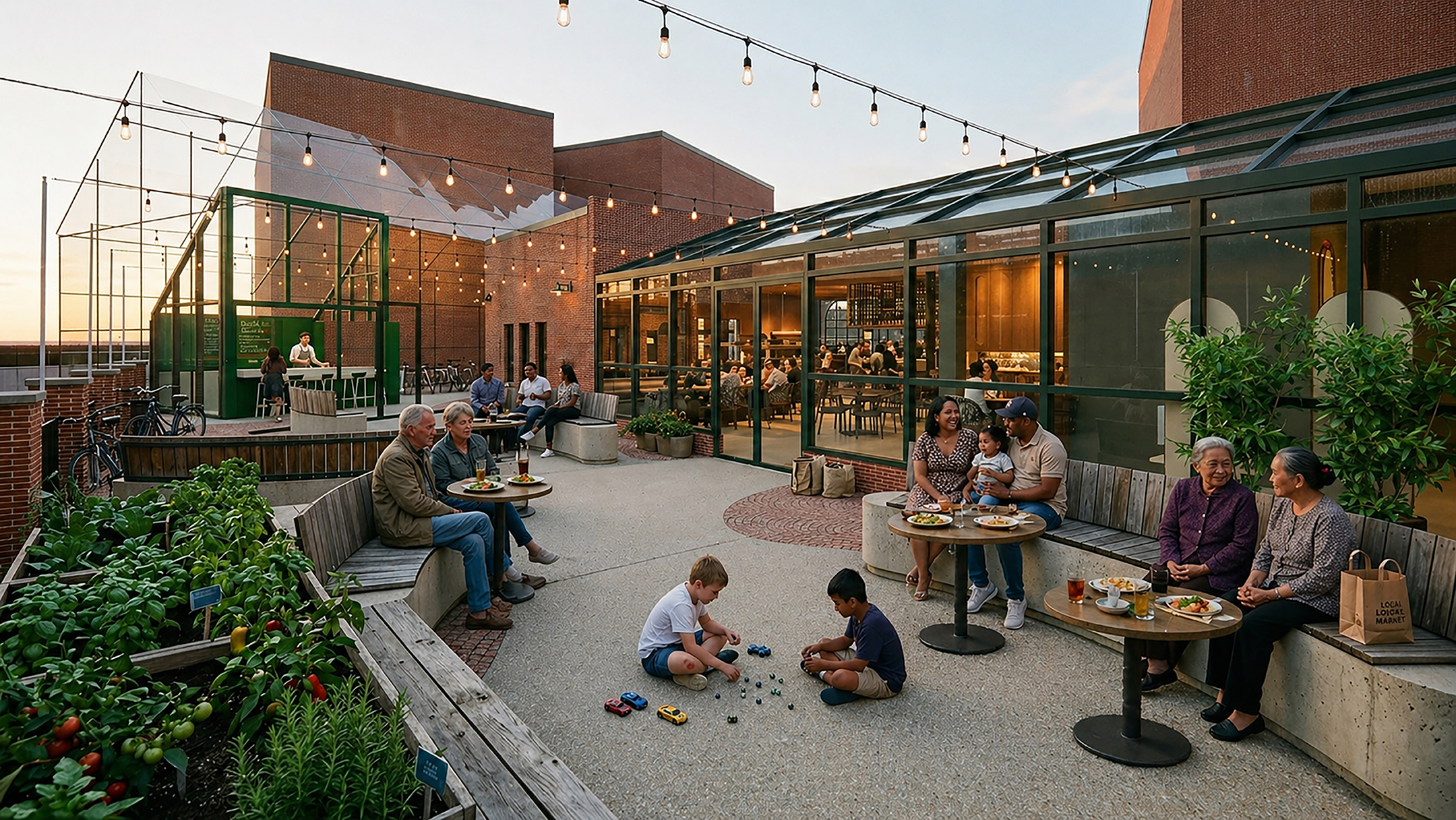
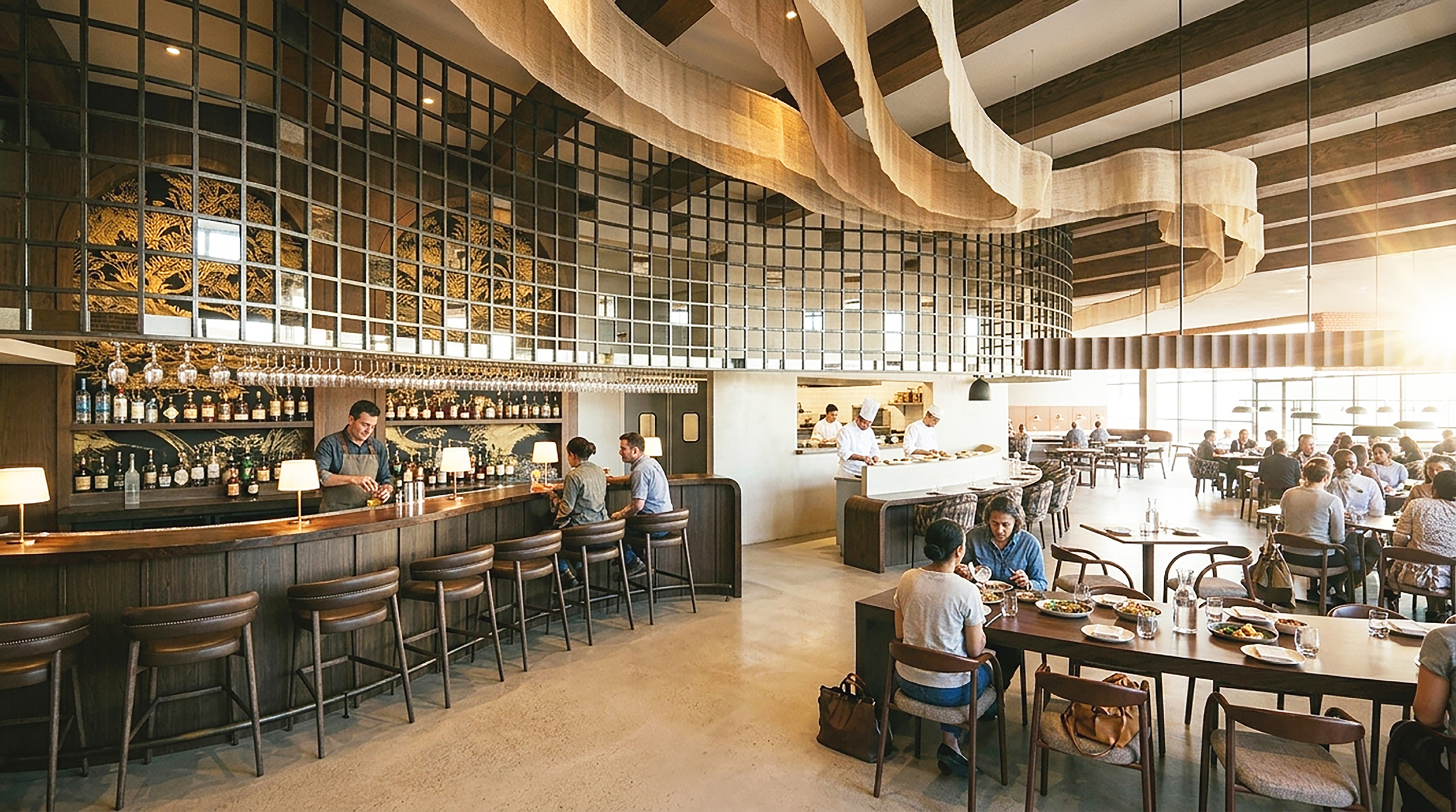
Through spatial design, materiality, and programmatic strategies, this project investigates how hospitality environments can intentionally foster conversation, community engagement, and belonging. Proposed elements include flexible seating, communal gathering points, experiential moments, and sensory cues that encourage comfort and interaction. Ultimately, this thesis presents a new vision for restaurants as places of nourishment, restoration, and renewed social connection.