
Artist Biography
Thomas Mikson is a senior studying Architectural Studies at Endicott College, where he has consistently earned a spot on the Dean’s List. He also had the opportunity to study abroad in Cork, Ireland, where he attended Munster Technological University. During his time abroad, he traveled to many countries and was inspired by the different architecture around the world. Thomas has completed three internships throughout his four years at Endicott College, and continues to work part-time at his semester-long internship. Thomas will be continuing his education at Endicott College and will pursue an MBA in Project Construction Management.
Thesis Abstract
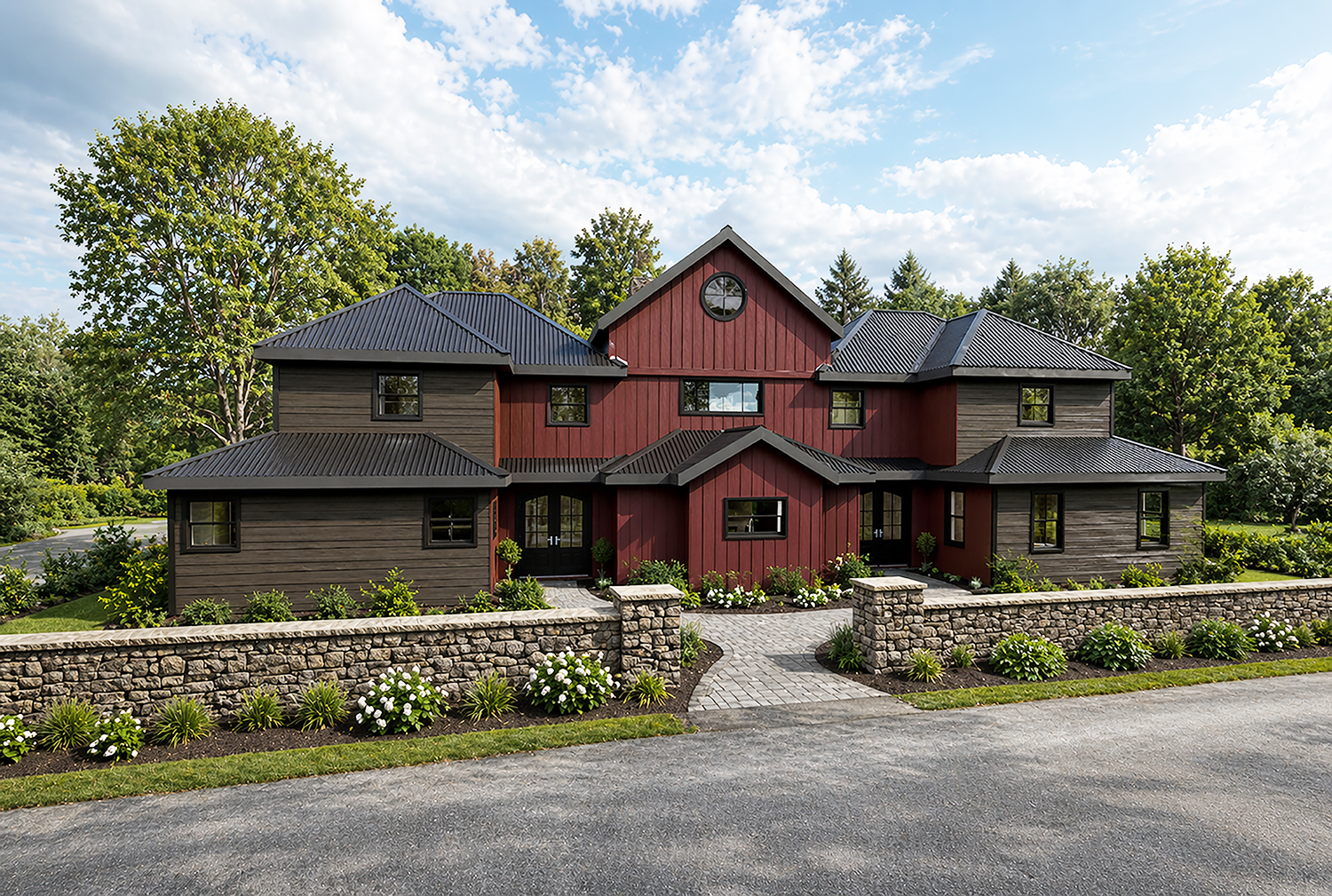
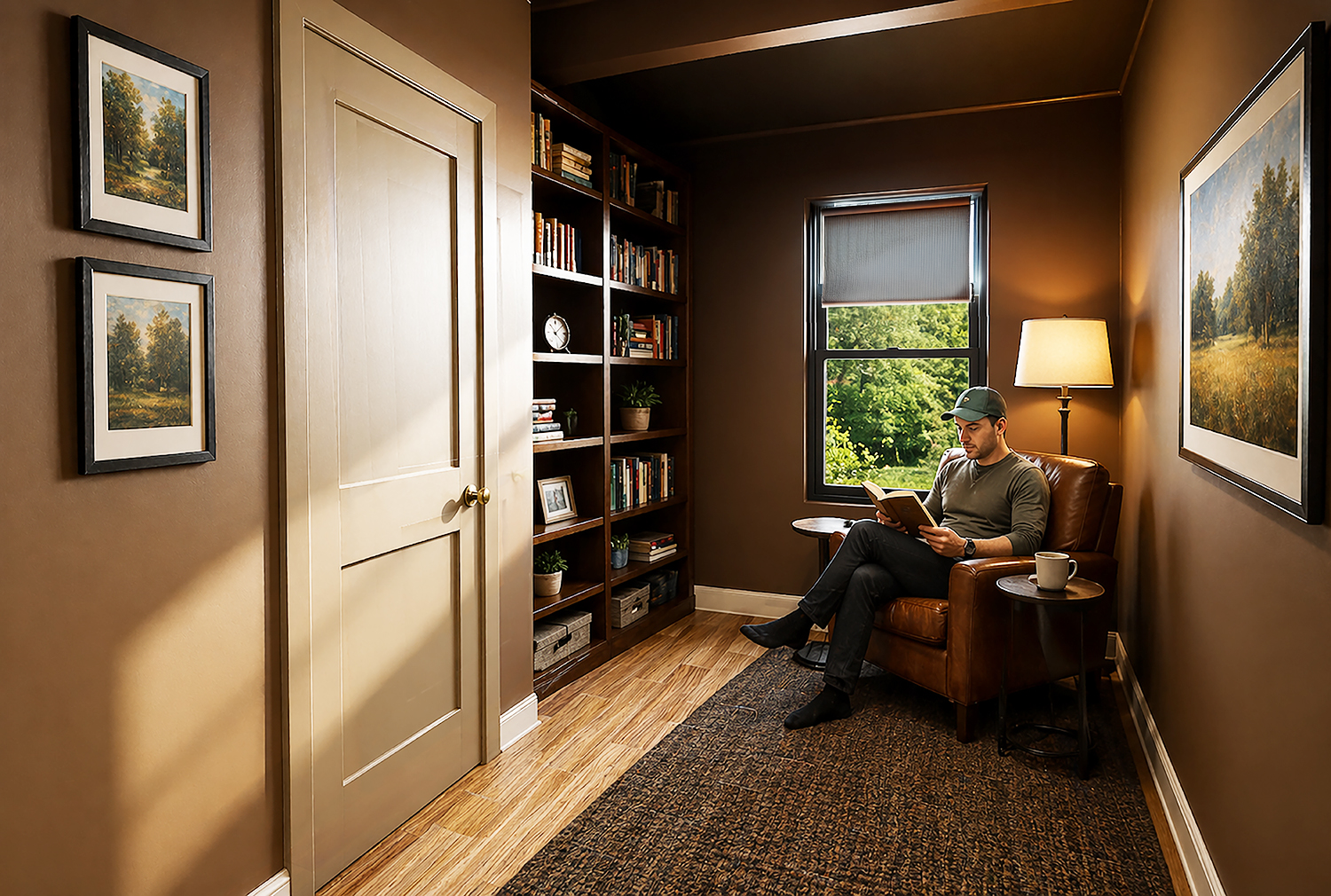
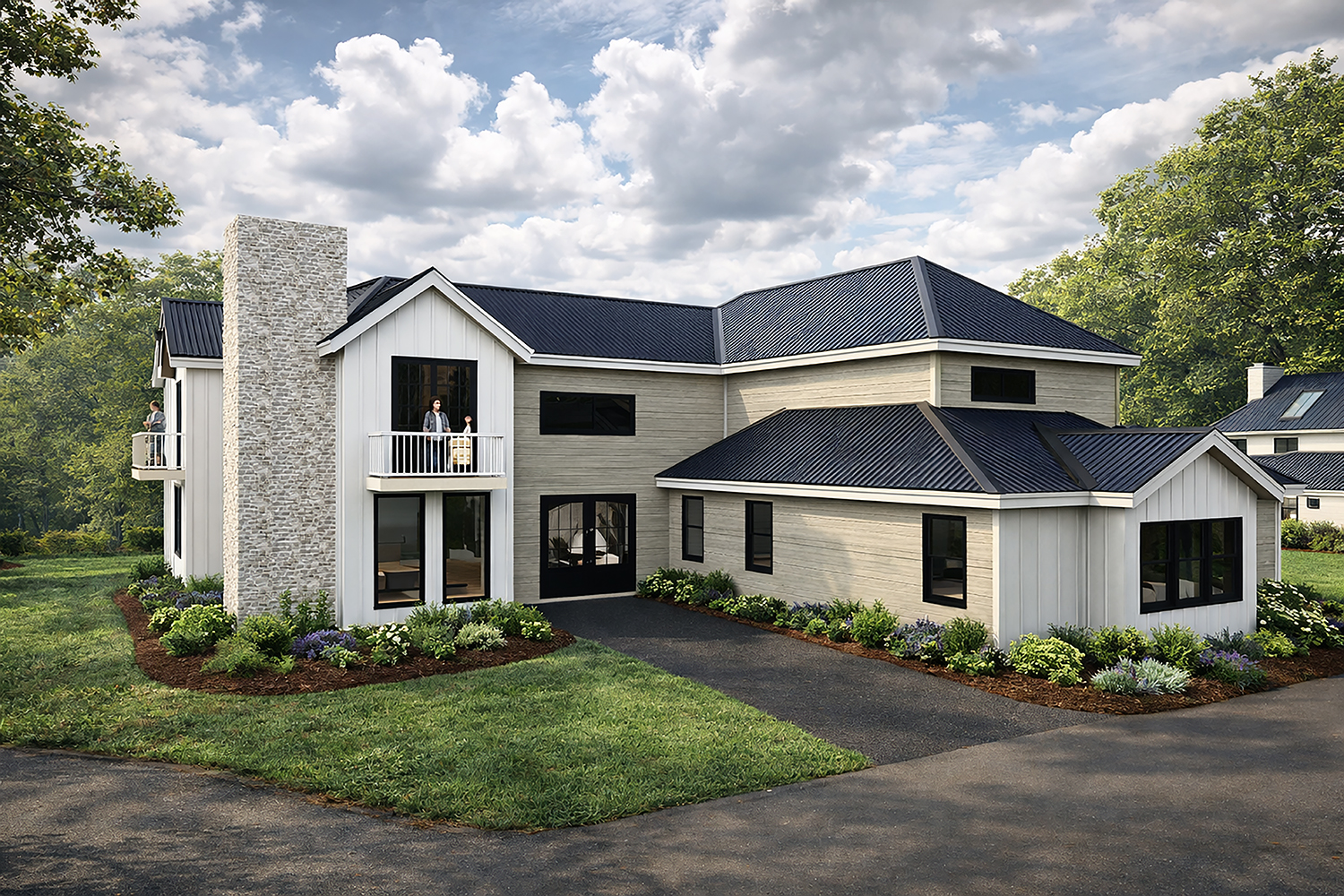
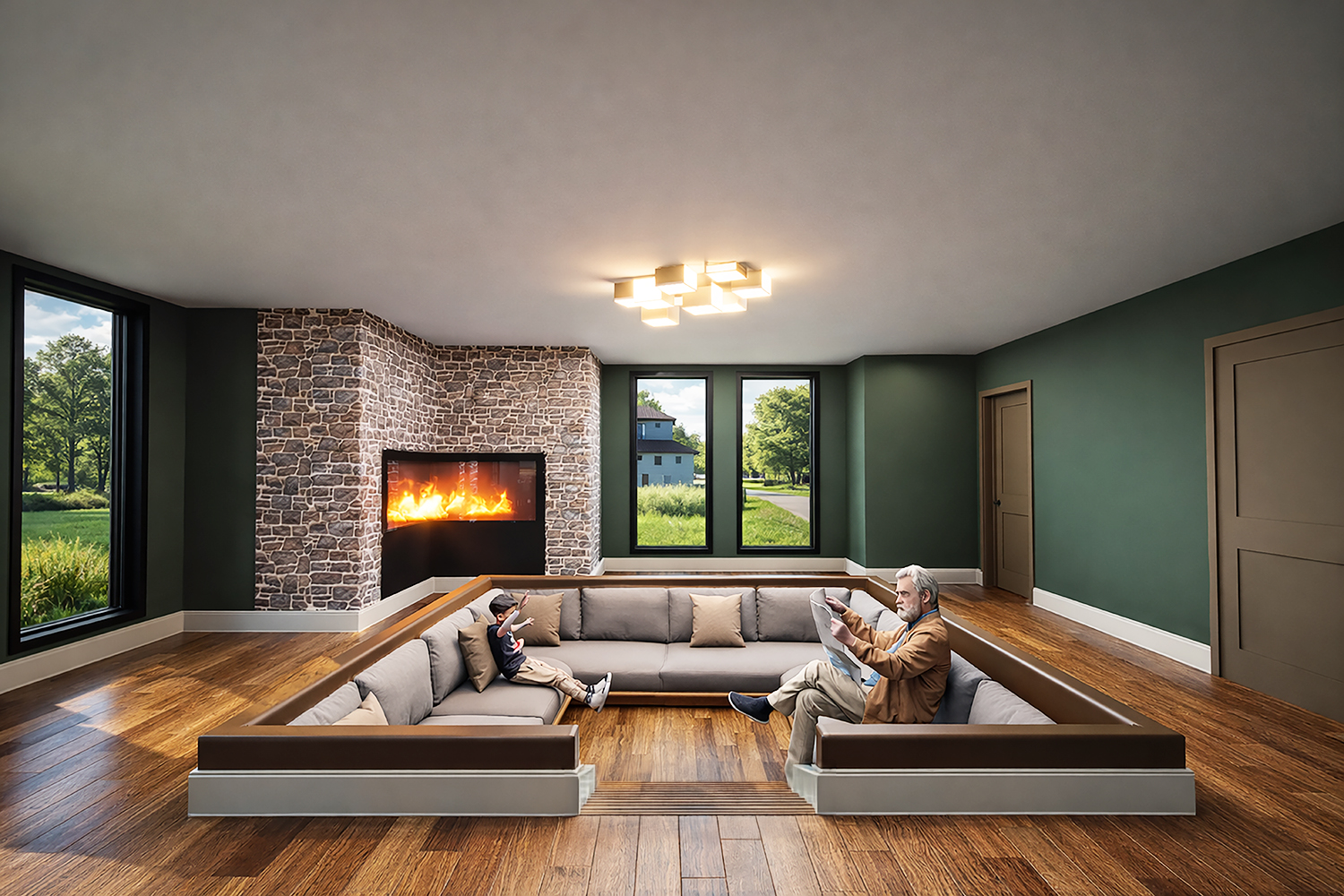
This thesis challenges the stigma of living in a multigenerational household as a viable mode of housing, rather than a compromise. It investigates opportunities to have a more functional multigenerational household through architectural features and techniques, such as declaring public, semi-private, and private spaces. The research displays how typical multigenerational households do not have optimal spaces for users to thrive. The concepts of “aging in place,” “universal design,” and “color theory” were utilized to create seamless living for all users throughout the entire lifespan of the multigenerational household. Aging in place ensures that residents can remain in their homes comfortably and safely as their physical needs change over time. Universal design strategies promote accessibility for individuals of all ages and abilities. Color theory is utilized as a psychological tool that influences the mood, wayfinding, and perception of spaces. Some key architectural features in this project are en-suites, privacy pods, and conversation pits. En-suites provide a sense of ownership, so the user always feels welcome within the household. Privacy pods are flexible spaces that can be used for work, rest, or solitude while not being completely isolated from the household. Conversation pits promote intergenerational gathering, which reinforces the social value of multigenerational living. Ultimately, this thesis advocates for communal and multigenerational design through the use of psychology and architectural features.