

Artist Biography
Allyson Czapiga is a fifth year student at Endicott College, receiving her Master’s degree in Interior Architecture with a concentration in education. Allyson attended Endicott College, where she achieved Dean’s List and had the opportunity to study abroad twice in Cork, Ireland, where she attended MTU and completed a semester-long internship with a focus on residential interiors. Allyson graduated from Endicott College in 2025, becoming a first generation college graduate, and knew she wanted to continue on to her fifth year. Her biggest inspiration for continuing her education was to take part in the education concentration, where she could learn and develop teaching pedagogies to become a professor. Growing up, Allyson could not decide what she wanted her career to be, choosing between interior design or teaching. She has now found her path and is able to combine her two passions together. While in her fifth year, she partakes in a practicum course where she gains teaching experience as a TA. She has been a TA for an electronic media and residential design course. She also works as a VPAC tutor to help students in their architectural drafting, architectural delineation, healthcare studio, and residential studio courses. After graduation, she hopes to become an interior designer within the residential design field while also teaching interior design / architecture to students.
Thesis Abstract
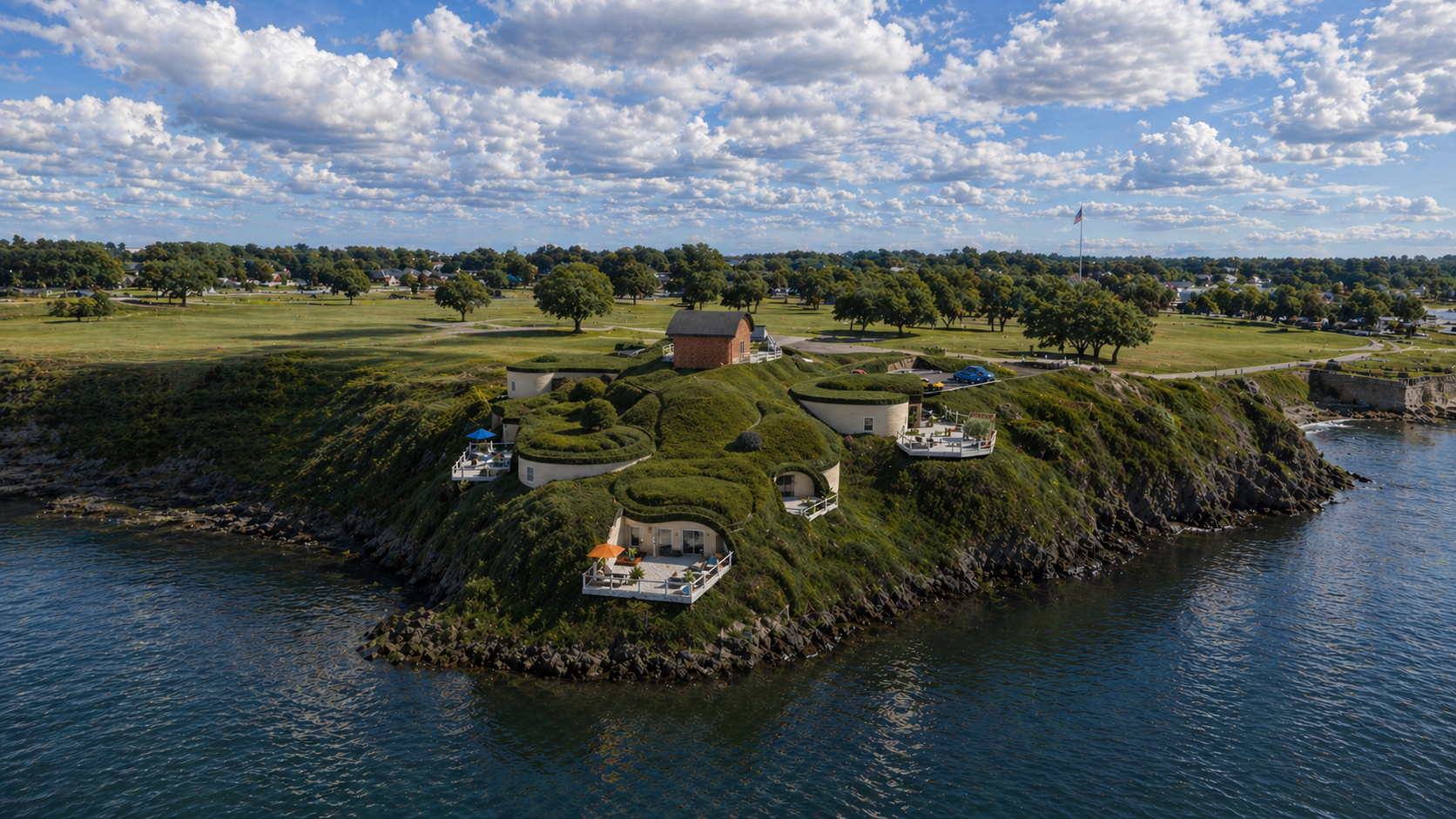
The Lux Vault is a semi subterranean apartment complex. This thesis focuses on the idea that sustainability and interior design are not separate considerations but interdependent forces that, when integrated together, can redefine subterranean living and improve user experience. Research shows that subterranean design is often perceived as dark, unimaginative, and claustrophobic. The goal of this thesis is to prove that subterranean design can utilize sustainable and creative interior design choices to create a space where users feel safe and comfortable.
Semi-subterranean buildings offer environmental benefits such as reduced carbon emissions, improved thermal performance, and protection from harsh climates compared to traditional aboveground buildings. This site relies on Earth’s stable temperature and utilizes geothermal energy for improved heating and cooling solutions.
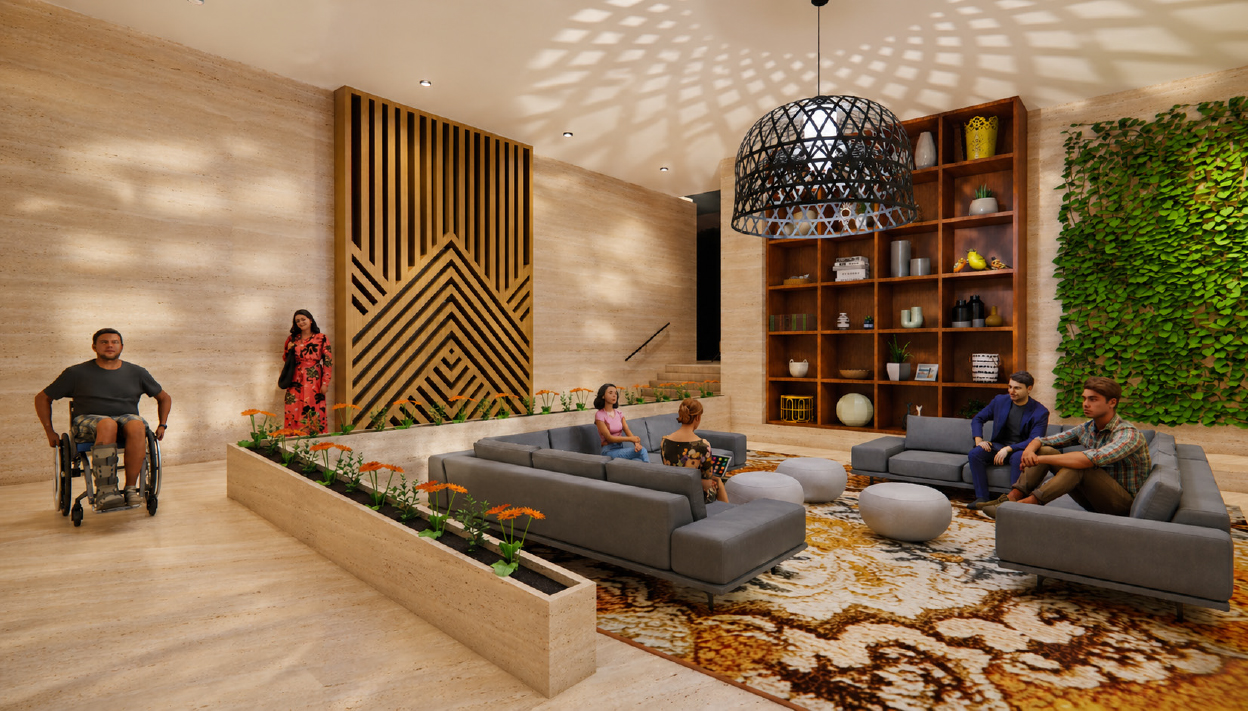
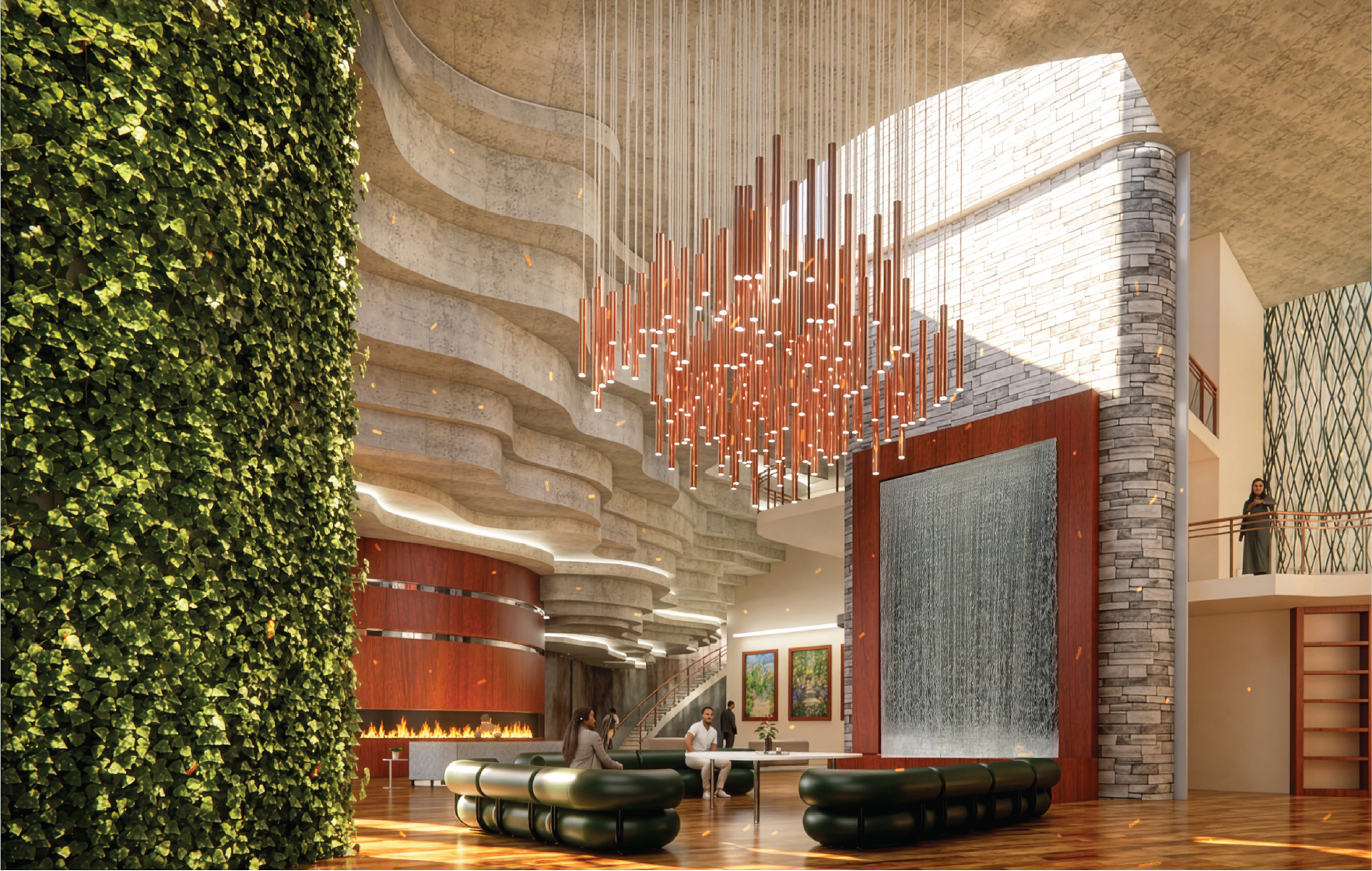
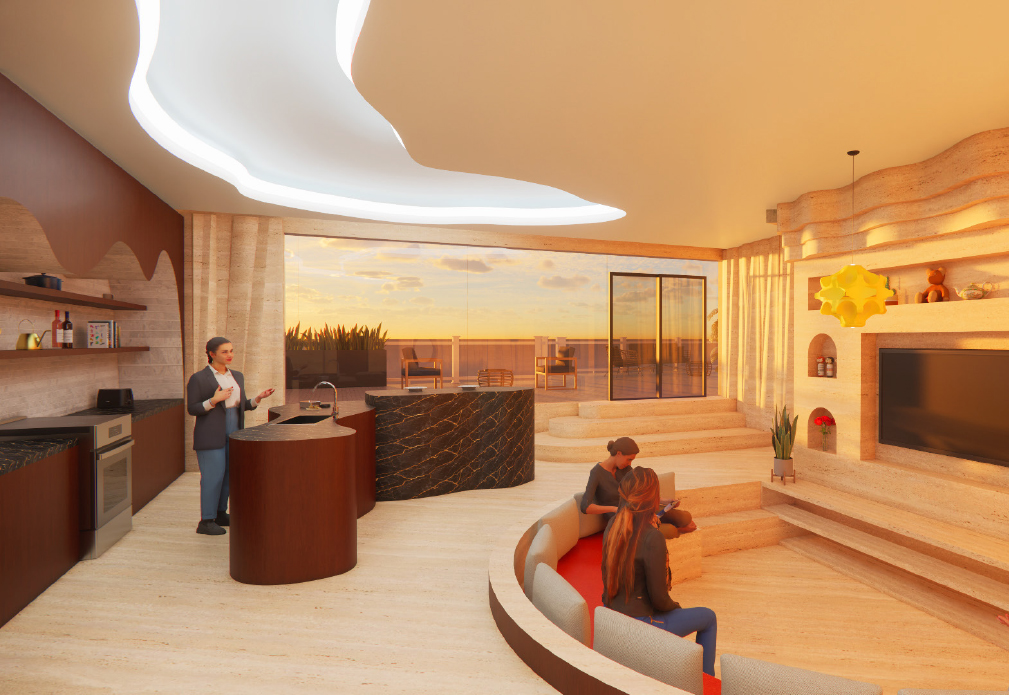
The research focuses on three primary design principles: the strategic use of natural and artificial light, the integration of nature, and the application of thoughtful color and material palettes. Natural light plays a very important role in human health and can be seen through skylights and light wells. A connection to nature is achieved through biophilic design elements such as plant walls, earth sheltered apartments, and access to the outdoors. Additionally, the careful selection of colors and materials helps promote warmth and comfort. The goal of this project is for users to have a positive experience within the space.