
Artist Biography
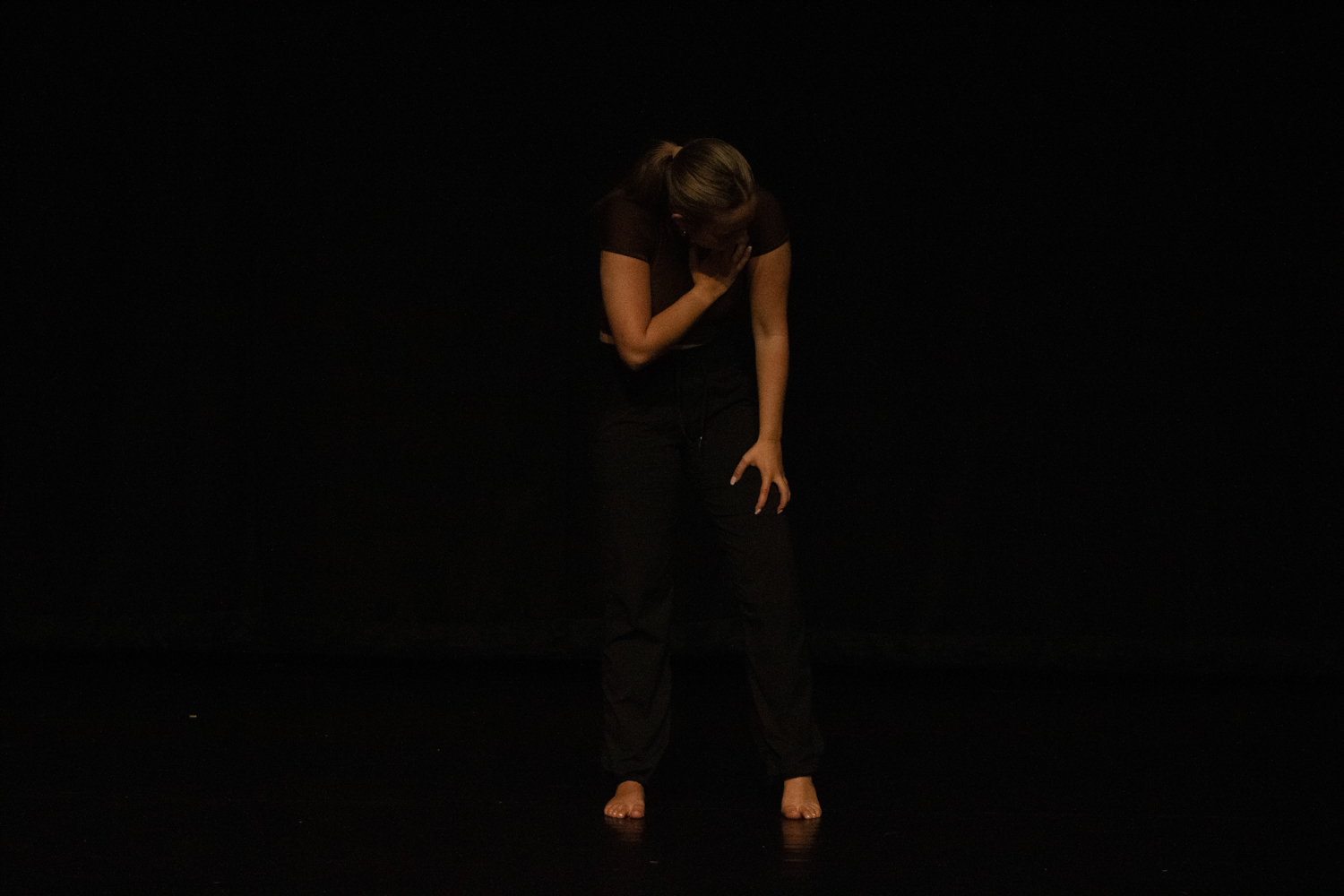
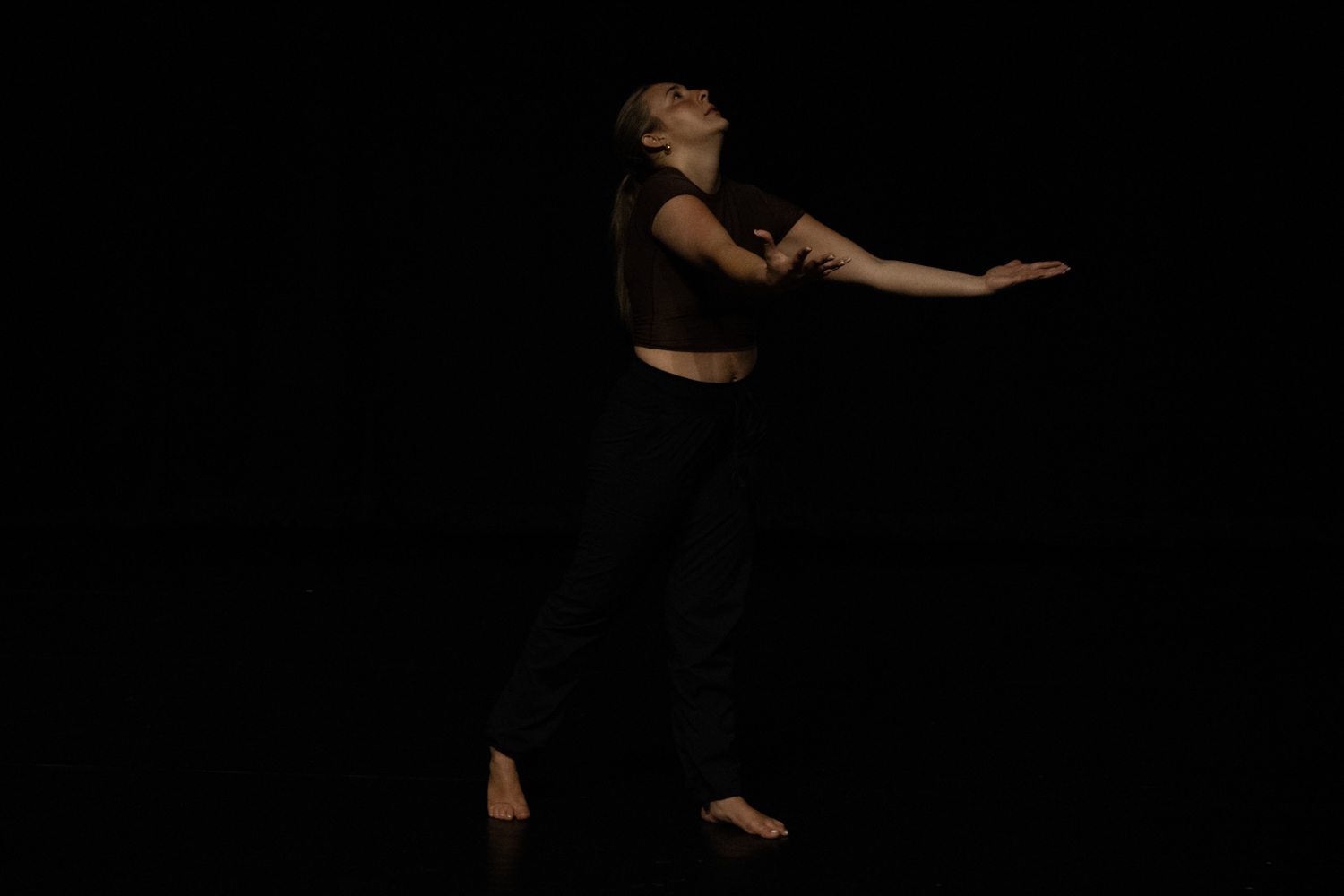
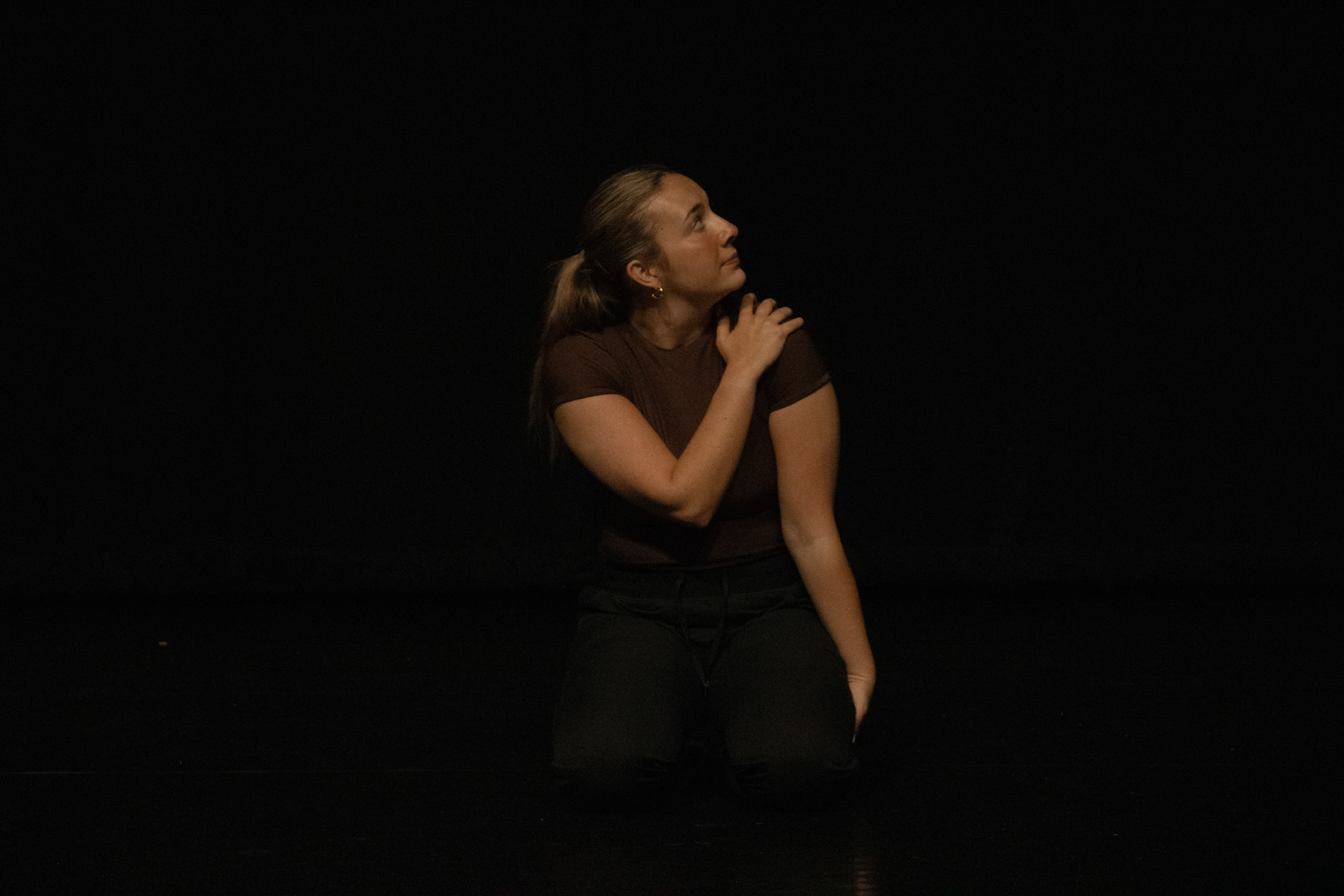
My work as an artist is rooted in movement, emotion, and the belief that the body holds stories that words cannot fully express. As both a dancer and expressive therapy student, I have always viewed choreography as a form of embodied storytelling, which allows internal experiences, especially those that are difficult to articulate, to take physical shape. I am particularly drawn to themes of transformation. In those involving past experiences, I use movement as a way to explore the space between holding on and letting go. My artistic process is intuitive yet structured, combining reflection, improvisation, and intentional composition. The art created for this thesis is a choreographed dance piece developed through an interior process of journaling, movement exploration, and music integration. The primary medium of this work is improvisational dance, supported by written in digital materials including a small writing journal for process and reflection, a planning notebook used for choreographic mapping, and a digitally edited soundtrack created by blending to musical pieces. The choreography itself was developed in a dance studio space using repetitive improvisational sessions, each lasting approximately 45 minutes to – hours. Throughout the process, multiple movement phrases were generated, refined, and re-organized to reflect different emotional states associated with the five stages of grief and my personal experience. The final piece represents the synthesis of these explorations, structured to mirror the nonlinear and evolving nature of loss. Movement qualities such as tension, release, still knows, and expansion or intentionally used to embody shifts in emotional experience. If the integration of music supported the emotional arts, guarding transitions and deepening the expressive impact of the choreography. This work is not meant to present grief as something to be resolved, but rather is something to be witnessed, felt, and transformed through the body. As a dancer, I am to create spaces both internal and external where emotion can exist without judgment. Through this piece, I invite viewers to engage with their own experiences of loss and to consider movement as a pathway towards their understanding connection and healing of the process
Thesis Abstract
This thesis examines grief, dance, and dance/movement therapy as interconnected frameworks for emotional processing. Grief is understood as a complex and non-linear experience that varies across individuals, well research shows that dance functions as both a cultural and innate form of emotional expression. Dance/movement therapy demonstrates that structured movement can support emotional regulation, embodiment, and psychological integration. This study explored the creation of dance/movement choreography along with journaling, improvisation, and music editing within a studio environment. Materials included a personal journal, audio software, and repeated movement sessions used to translate emotional seams into structured choreography. Results showed that movement development reflected emotional progression, with choreography emerging from repeated improvisation and refinement. The integration of music and journaling supported emotional clarity and continually within the final piece. This thesis discusses the implications of choreography as a tool for grief processing, while acknowledging limitations such as a single subject design. Future research may explore broader applications and correlations within the therapeutic and studio settings.