
Artist Biography
Julia Pendergast is a senior graduating with her BFA in Architectural Studies at Endicott College. She is interested in designing spaces that balance efficiency with a strong, intuitive user experience, focusing on how thoughtful design can improve everyday living without unnecessary complexity.
She has completed three internships during her time at Endicott, gaining exposure to architectural practice and developing a clearer understanding of how ideas translate into built work. Through this experience, she has developed a growing interest in residential design and the impact that well-considered spaces can have on daily life.
Julia plans to continue her education at Endicott College, pursuing an MBA in Construction Project Management. She is interested in bridging design and construction, with the goal of delivering work that is clear, efficient, and well-executed.
Thesis Abstract
Water is essential to human life, yet it is increasingly mismanaged, inaccessible, and undervalued. As climate change, population growth, and failing infrastructure continue to strain global water systems, architecture has an opportunity to respond not only through performance, but through education.
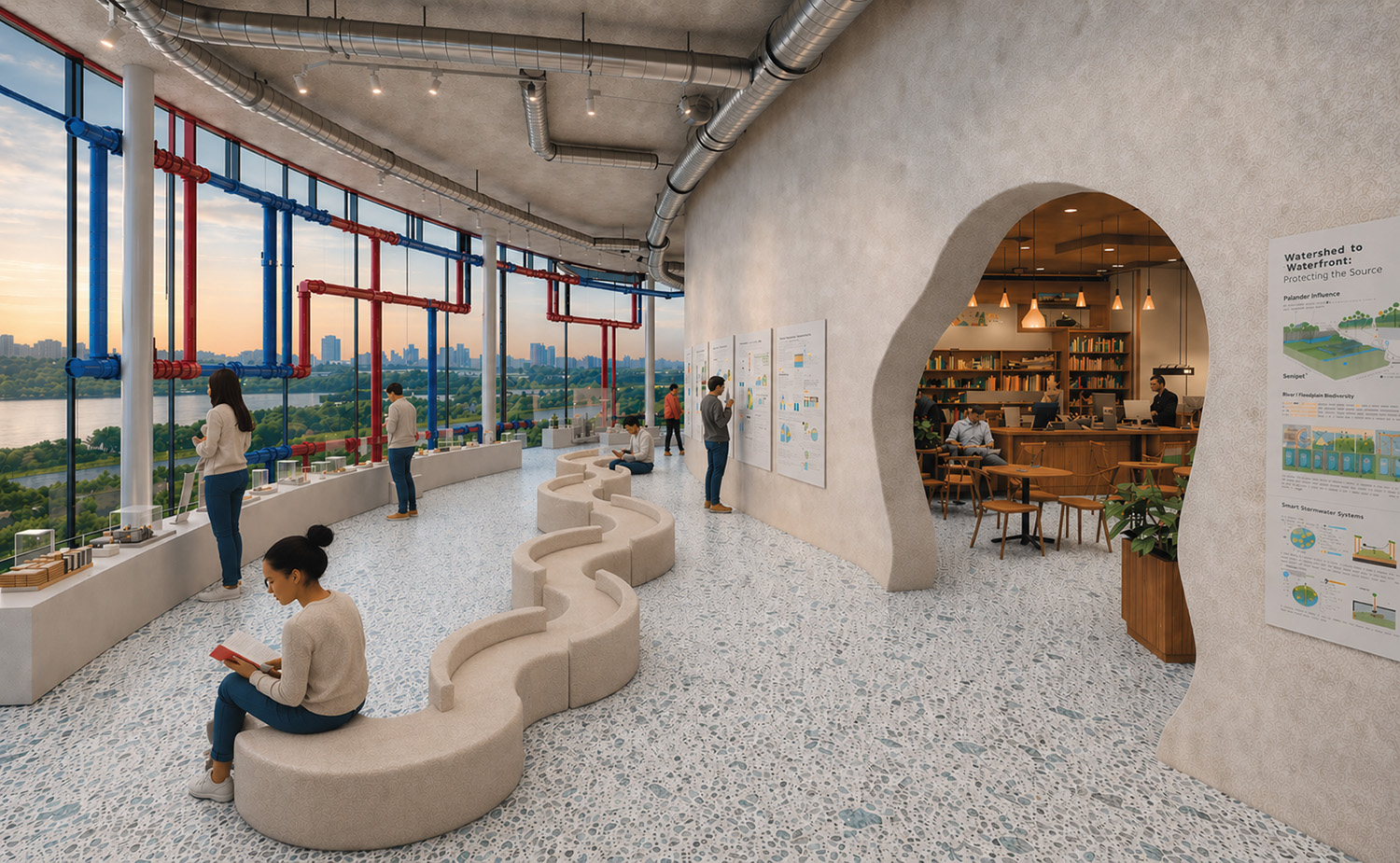
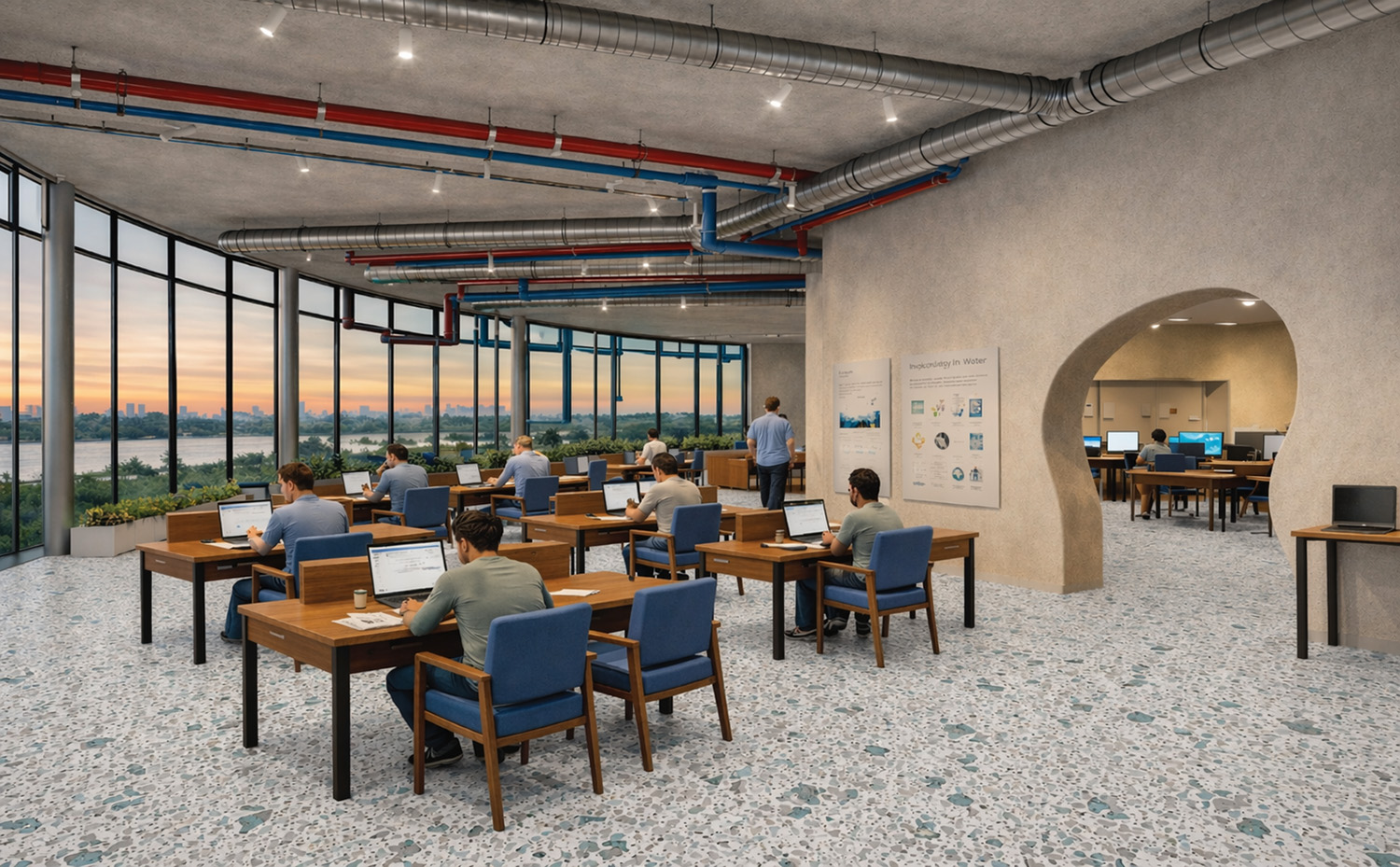
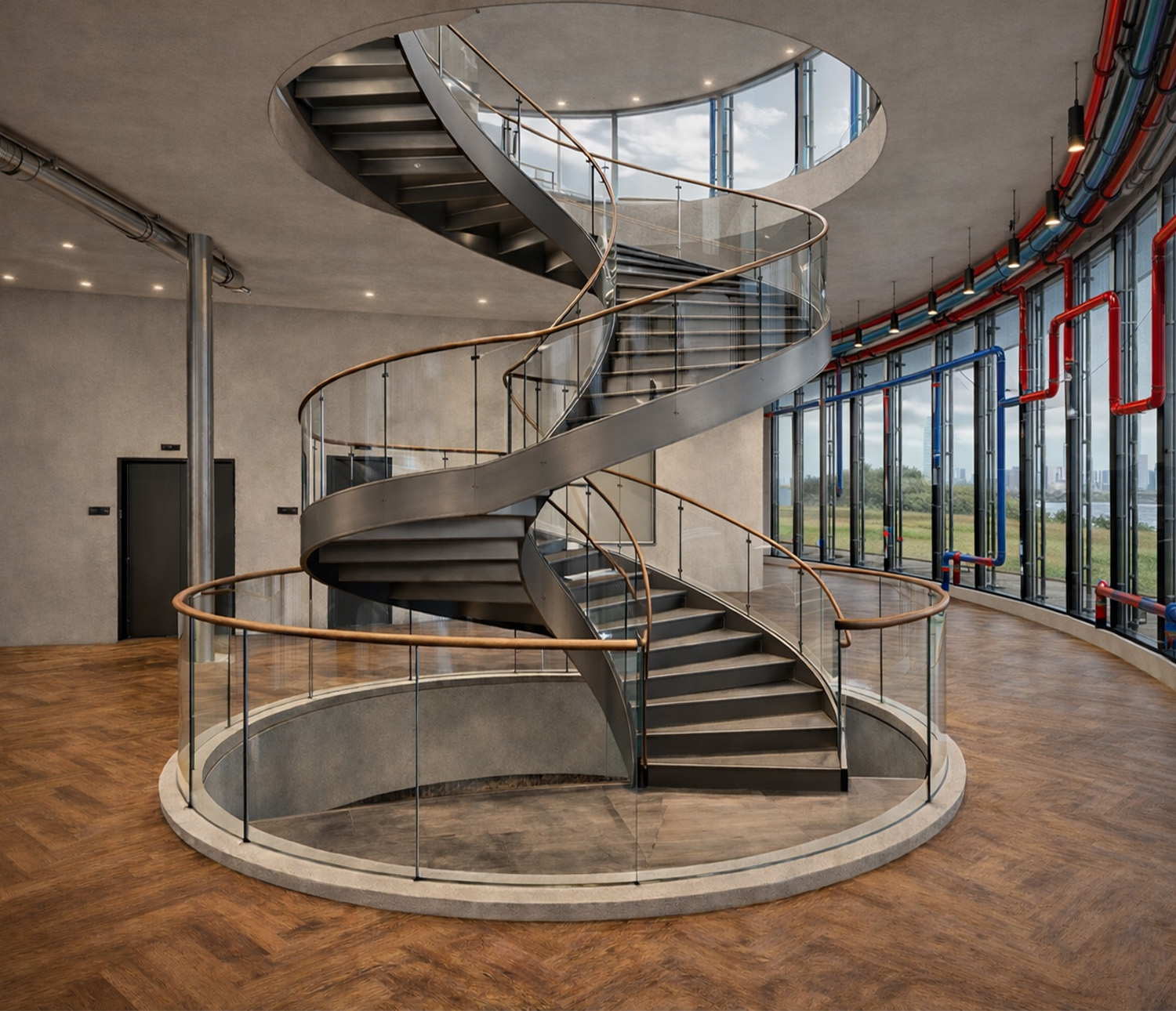
This thesis explores how the integration of rainwater collection and greywater reuse systems within mixed use buildings can reduce reliance on municipal infrastructure while also improving overall building efficiency and lowering long term operational costs. More importantly, it proposes that these systems should not be hidden. Instead, by making the flow, treatment, and reuse of water visible through architectural design, through exposed systems, transparent façades, and interactive elements, buildings can actively educate their users and the broader public.
Through research into environmental, economic, and social impacts, this project demonstrates that combined water systems are not only sustainable, but financially viable and beneficial to occupant well being. Drawing from design approaches such as biophilia and high tech architecture, the proposed design repositions infrastructure as both functional and experiential.
Ultimately, this thesis argues that architecture can move beyond simply accommodating water systems to actively communicating their importance, transforming buildings into tools for awareness, responsibility, and long term environmental stewardship.