
Artist Biography
Olivia Fuccione is a Massachusetts-based photographer and senior at Endicott College, where she studies photography with a focus on documentary, portraiture, and music imagery. Her practice is rooted in observation, capturing intimate and often overlooked moments with a cinematic and experimental approach.
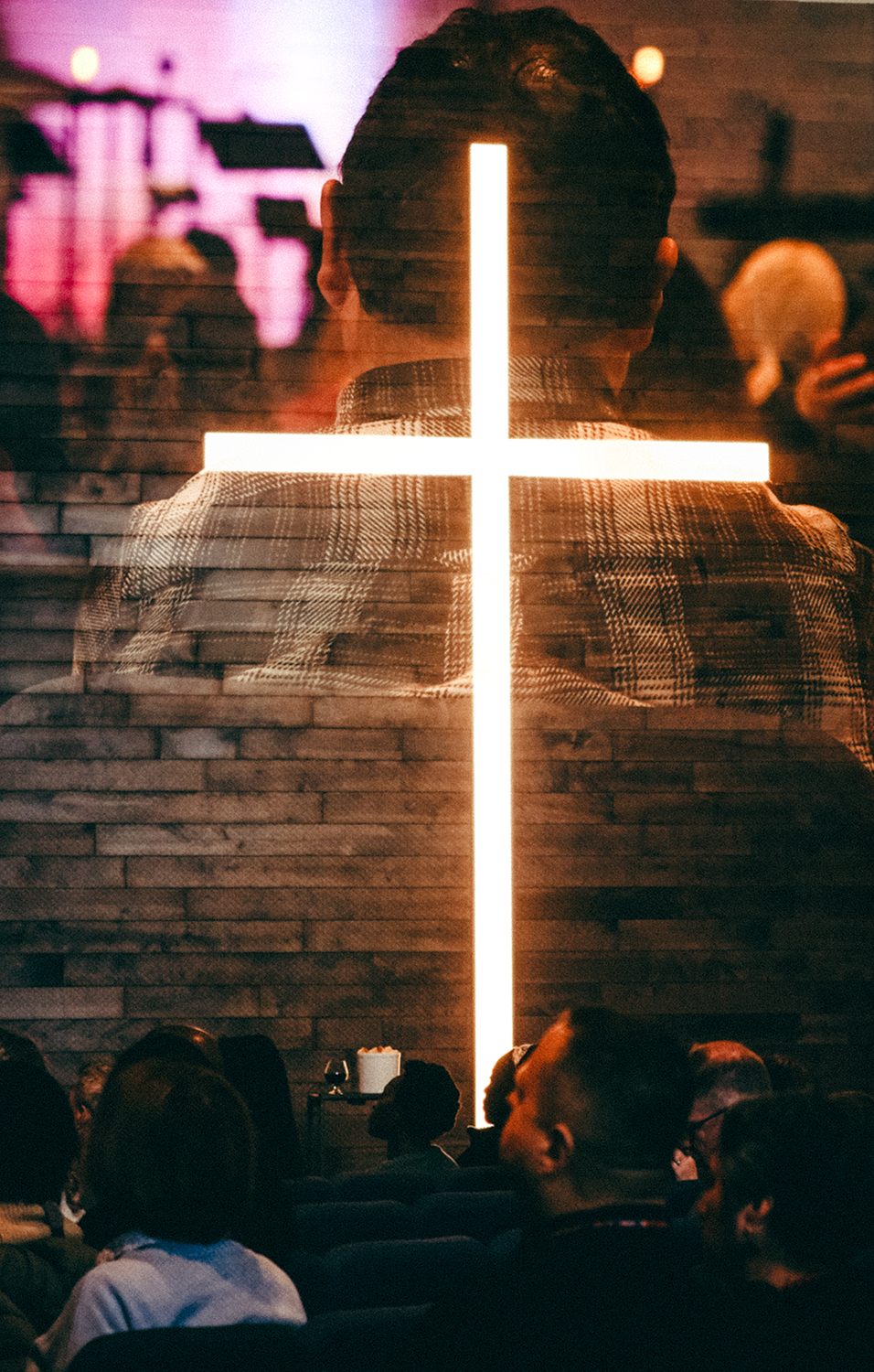
Fuccione’s work explores the relationship between light, memory, and human connection. She frequently incorporates techniques such as light manipulation and alternative processes to create images that blur the line between reality and emotion. Her visual style is influenced by both documentary traditions and stylized cinematic aesthetics, resulting in imagery that feels both raw and intentional.
Through her work, Fuccione aims to preserve fleeting experiences while inviting viewers to reflect on the complexity of everyday life. Her practice continues to evolve as she experiments with new methods of storytelling and visual expression.
Thesis Abstract
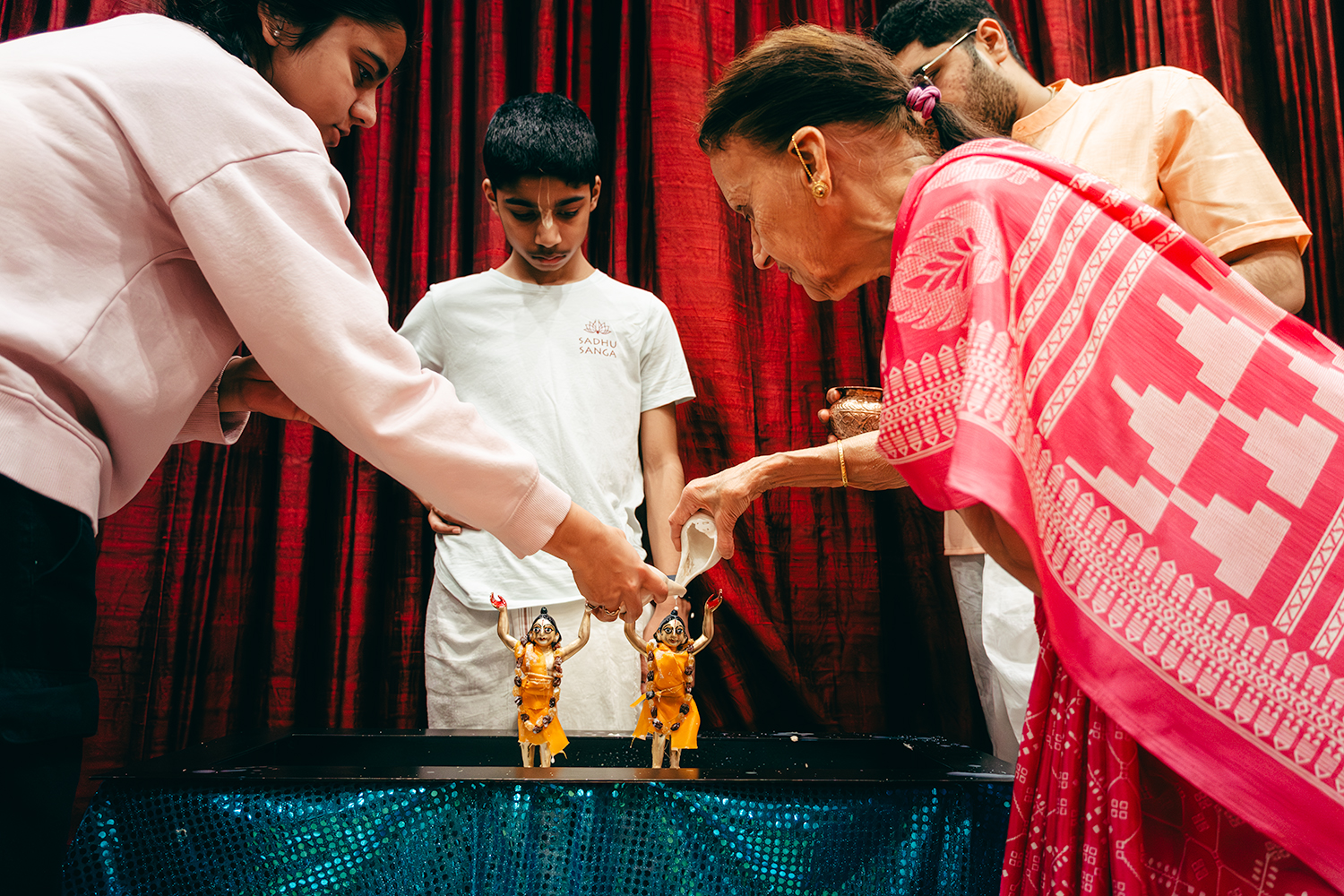
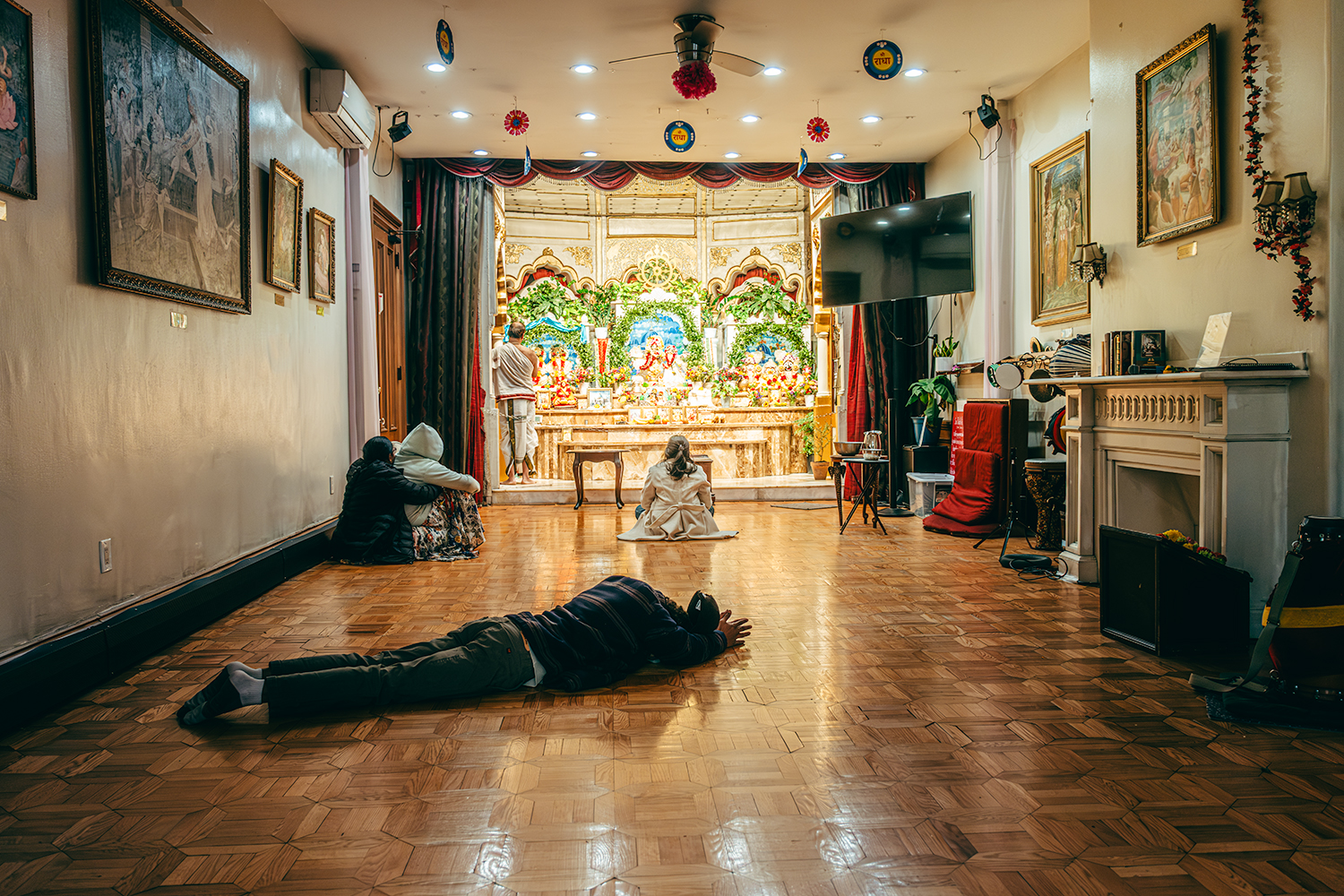
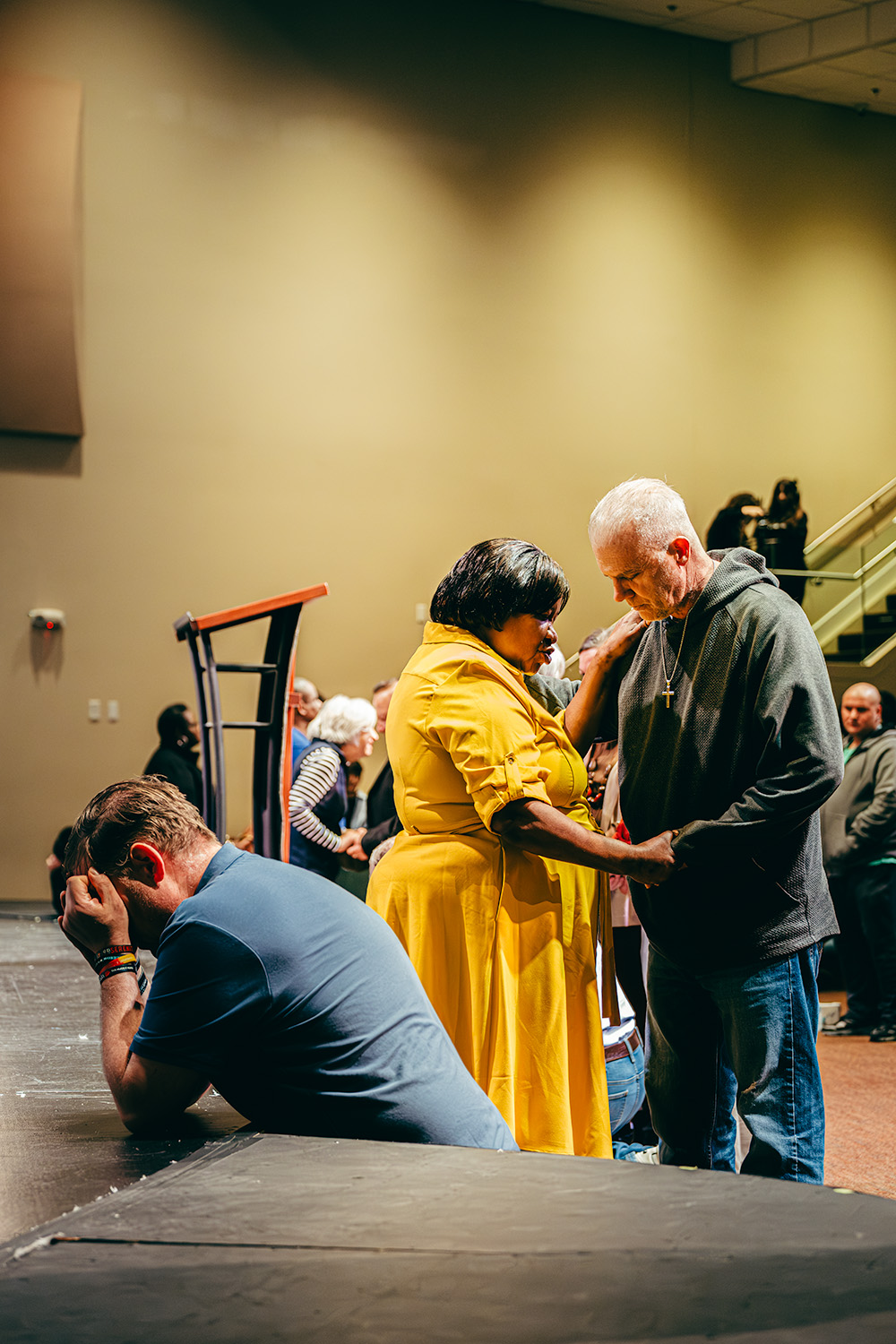
This project is a documentary photography series that explores religious spaces as sites of ritual, community, and personal reflection. Through observational image-making across multiple faith traditions, the work examines how belief is practiced and experienced, emphasizing quiet, often overlooked moments rather than overt ceremony.
By photographing a range of religious environments, the project reveals how individuals across different belief systems engage in similar acts of gathering, reflection, and connection. The images focus on subtle gestures, shared spaces, and moments of stillness to suggest an underlying commonality in human experience, despite differing doctrines and practices.
Using a combination of natural and available light, the work emphasizes atmosphere and presence, capturing both the physical environment and the emotional counterparts within it. Influenced by documentary traditions and a cinematic approach to light and composition, this series seeks to move beyond singular representations of religion and instead present a nuanced, human-centered perspective on faith, identity, and community.