
Artist Biography
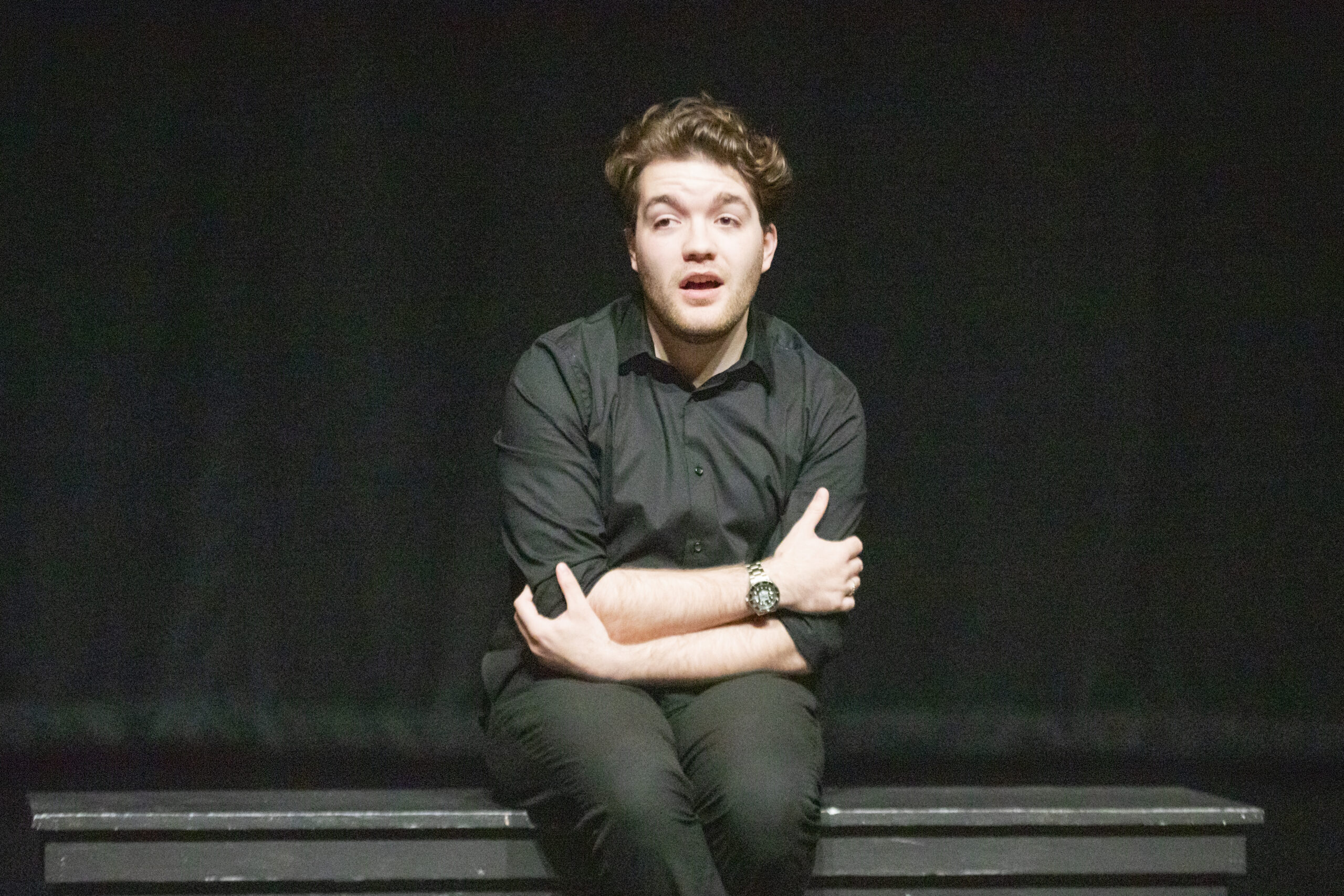
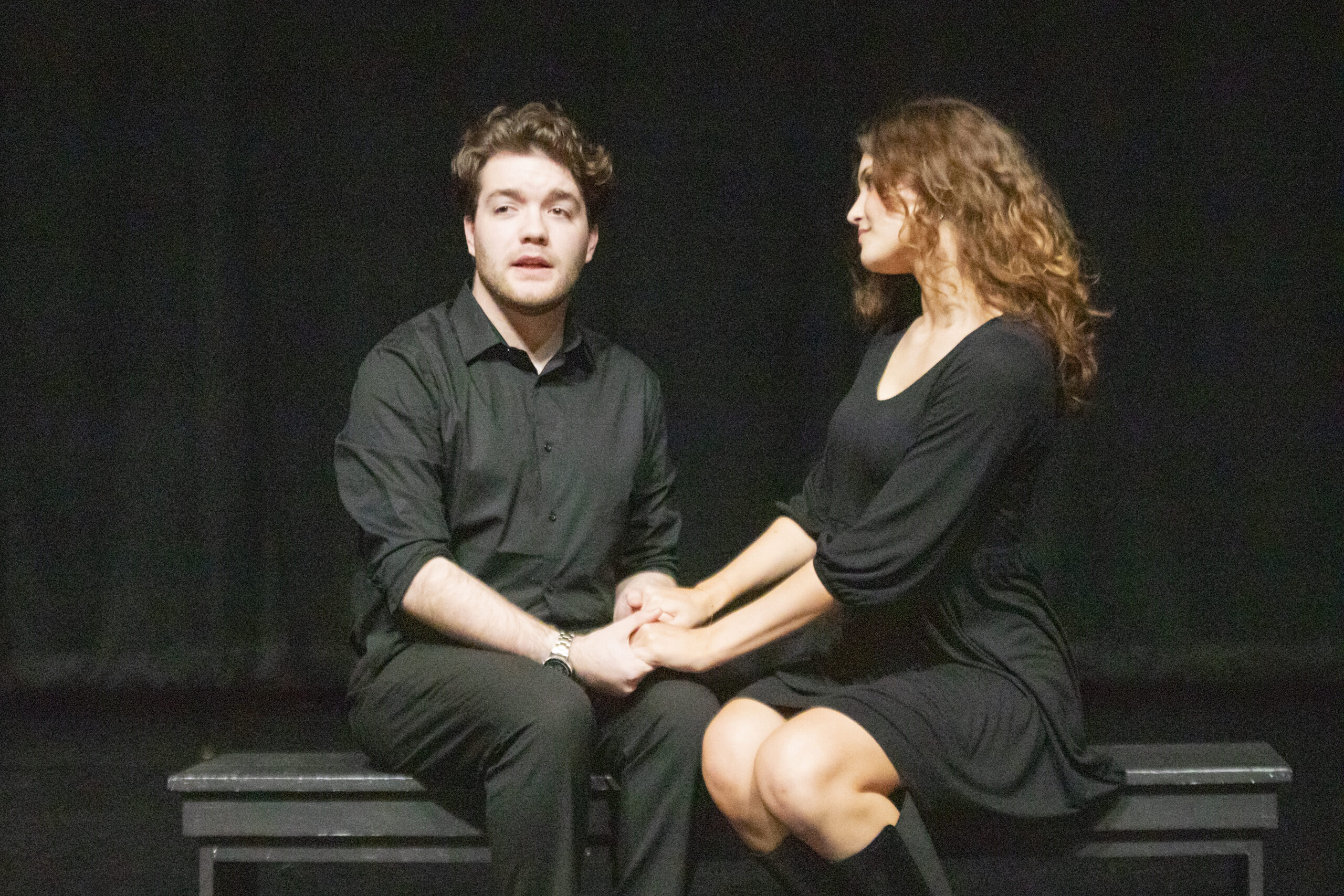
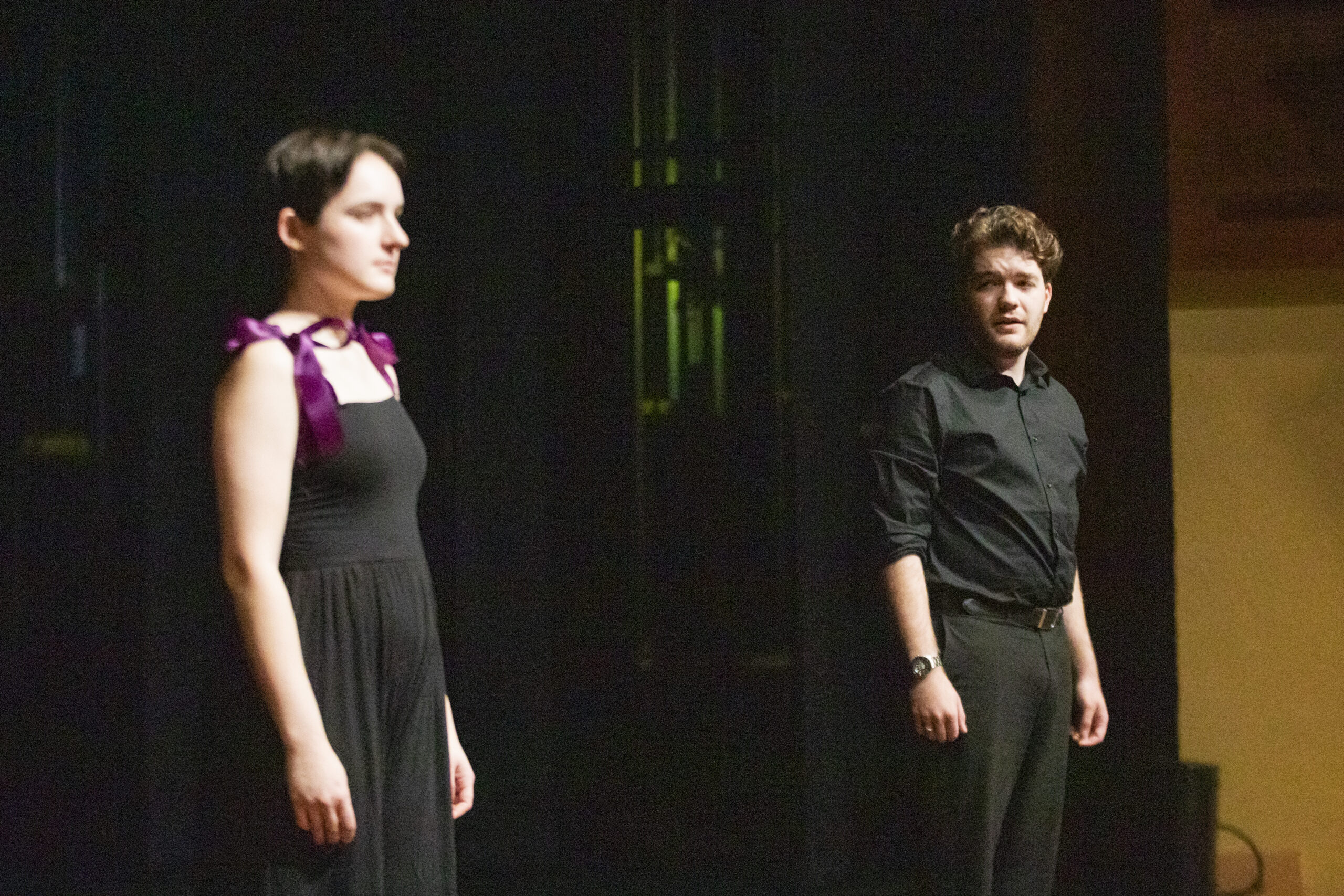
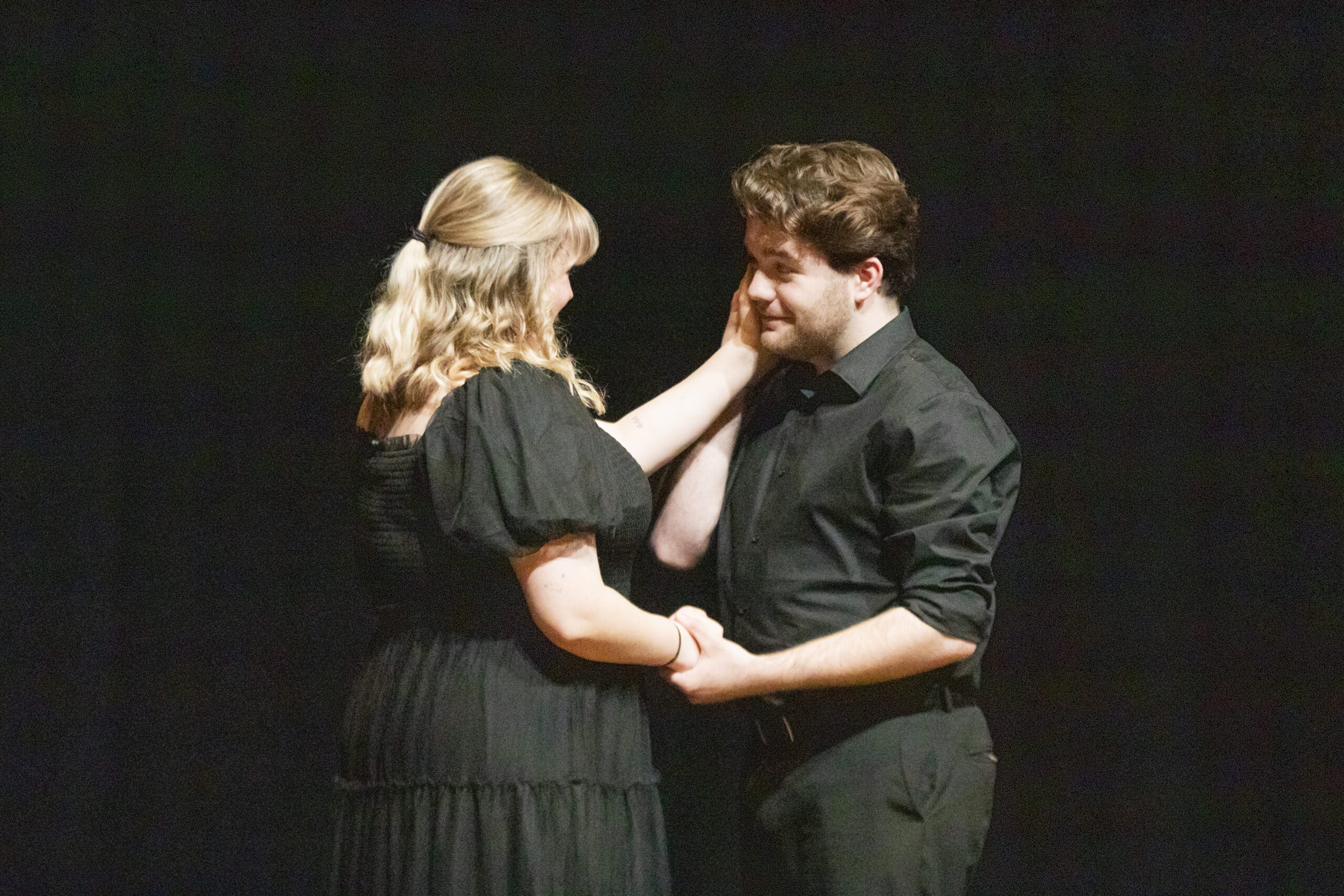
Eamon Arthur is an actor and vocalist studying Performing Arts with a concentration in Theater at Endicott College in Beverly, Massachusetts. Eamon is a recent alumnus of the College Light Opera Company, with credits including Georges in La Cage aux Folles, Major General Stanley in The Pirates of Penzance, and Reverend Shaw Moore in Footloose, among additional ensemble and chorus credits. Stage credits whilst training at Endicott College include Sweeney Todd in Sweeney Todd: The Demon Barber of Fleet Street (by Stephen Sondheim), Pierre in Natasha, Pierre & The Great Comet of 1812, Romeo in Romeo and Juliet, and Nick Bottom in Something Rotten! for which Eamon, among his peers, was named a national finalist in the American Prize for Musical Theater Performance. Eamon has also appeared on screen in the television pilot of Buckle Up! by APM Films as Dillon. Eamon serves as President of Endicott College’s Spotlight Drama Club and has directed, produced, and designed wardrobe, scenic, and theatrical lighting for the group over the past four years. Eamon was recently featured as an exhibitionist in Origins, a gallery featuring the process work of Endicott students at the Munster Technological University in Cork, Ireland.
Thesis Abstract
Stephen Sondheim was an American-born composer and lyricist, working actively in the New York theater from the nineteen-fifties to his death in 2021. Throughout his legendary and prolific career, he contributed significantly to the musical theater canon, offering such works as Company, Follies, A Little Night Music, Into the Woods and Sunday in the Park with George, to name a few, that would forever reshape the landscape of the Broadway stage. Sondheim pioneered the development of musical theater as a psychologically and emotionally complex medium, departing from the often escapist traditions and conventions of his predecessors and contemporaries. Sondheim’s work is defined by this research as cathartic, offering those that interact with it the opportunity to make meaning of their emotions and experiences through the transferable lens of his text and music. The research compiled explores Sondheim’s work as it relates to the idea of such catharsis inherent in his work compared to escapism, and explores the relationship between these qualities of Sondheim’s work and successful interpretation of his material. The research supports the subsequent performance assembled from the findings which corresponds with my unique experience with Sondheim’s music and the opportunities it offers me, as an artist and human, for making meaning of my experiences. The performance structure features four Sondheim selections, positioned to portray a cathartic journey in song, offering insight into the means by which I use the composer’s music to make sense of life, and offer an audience an opportunity to do the same.